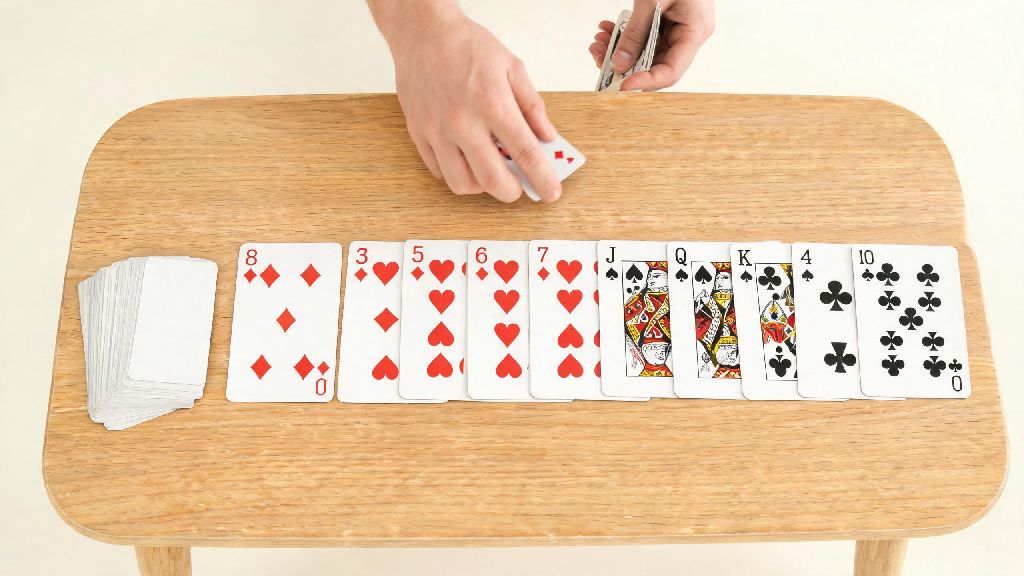
If you’ve ever sat down for a casual card night and had someone suggest gin rummy, the first question that almost always pops up is about setup. A lot of new players get confused between rummy variant rules, so asking how many cards are dealt in gin rummy is a totally normal first step to avoid mid-game arguments. Gin rummy is one of the most popular 2-player card games in the world, and its simple setup means you can start playing in less than two minutes once you know the basic rules. This guide breaks down standard counts, common mistakes, and easy tips to make every deal fair and fun.
How Many Cards Are Dealt in Gin Rummy: Standard Rule Breakdown
For official competitive and standard casual 2-player gin rummy, 10 cards are dealt to each player. The dealer passes out cards one at a time, alternating between the opponent and themselves, until both have a full 10-card hand. Once the initial deal is done, the next card from the top of the deck is placed face-up next to the remaining stack to start the discard pile. 32 remaining cards form the face-down stock pile that players will draw from for the rest of the round.
You might see slight variations if you’re playing with 3 or 4 people, but those are non-standard variants, not official gin rummy. Most competitive leagues only recognize 2-player games with 10-card hands, so if you’re practicing for a local tournament, stick to the 10-card rule for all practice rounds. Always count your hand immediately after the deal to catch errors early, before any player makes their first draw or discard.
If you agree to play a non-standard variant with friends, make sure everyone confirms the card count before the dealer starts passing out cards. For example, 3-player gin rummy variants usually deal 7 cards per player, but some house rules go as low as 5 for faster rounds. Setting clear expectations before the deal starts will save you a lot of frustration later.
Common Gin Rummy Dealing Mistakes to Avoid
Even players who have been enjoying gin rummy for years make small dealing mistakes that can ruin the fairness of a round. Most of these errors are accidental, but some can be seen as unfair if you’re playing with people you don’t know well. The most common mistakes include:
If you catch any of these mistakes before the first player makes their first move, you can simply reshuffle the full deck and re-deal to fix the issue. If the first turn has already started, most house rules agree that you should finish the round as-is, then adjust your dealing process for the next round to avoid repeating the error. It’s not worth ruining a friendly game over a small mistake that wasn’t intentional.
How Dealing Rules Work for Digital Gin Rummy Platforms
A lot of new players prefer to learn gin rummy on digital platforms before playing in person, because they don’t have to worry about messing up the deal or counting cards incorrectly. Automatic dealing systems eliminate almost all common setup mistakes, so you can focus on learning meld rules and strategy instead of perfecting your dealing routine. Many players also use digital platforms to practice when they don’t have a friend available to play with in person.
Many of the regular players I compete with in local rummy leagues use Rummy Grand to test new meld strategies when they don’t have a local opponent available, since its automatic dealing always follows official World Rummy Federation rules. That means you don’t have to worry about non-standard variant counts throwing off your practice for in-person games. You can also adjust game speed to match casual or competitive paces, so you can get used to faster play for tournament settings if you want.
If you do play digital gin rummy, make sure you still take time to practice dealing physical cards if you plan to play in person eventually. It’s easy to get used to the platform handling all setup for you, and you don’t want to fumble with the deck when you’re playing for cash or a tournament prize later on. Even 10 minutes of practice dealing before a game night will help you feel way more confident when it’s your turn to pass out cards.
Easy Tips to Perfect Your In-Person Gin Rummy Dealing Routine
Dealing gin rummy correctly doesn’t take a lot of practice, but small adjustments can make your games run much smoother for everyone involved. First, alternate the dealer after every round to avoid perceived unfairness. Even if you’re dealing completely randomly, always being the dealer can make your opponent think you’re stacking the deck, so switching off removes that concern entirely.
If you’re playing with new players, count the cards out loud as you deal to make it clear you’re not hiding anything, and remind everyone to count their hand before the first turn starts. Never look at the bottom card of the deck while dealing, even by accident, because your opponent might think you’re tracking where that card ends up in the deal. It’s a small habit to build, but it makes the game feel much fairer for everyone.
If you drop a card while dealing, or accidentally flip a card face-up while passing it out, the fairest move is to reshuffle the entire deck and start the deal over. It might add an extra 30 seconds to your setup, but it’s way better than having an argument halfway through the round about whether the exposed card gave someone an unfair advantage. Most players will appreciate the commitment to fair play, even if it takes a little extra time.
At the end of the day, figuring out how many cards are dealt in gin rummy is the first and easiest step to enjoying this fast, fun card game. As long as you stick to the standard 10 cards per player for 2-player games, avoid common dealing mistakes, and adjust for any agreed-upon house rules before you start, you’ll be able to jump into a game with almost anyone, anywhere. Don’t stress if you mess up the deal a few times when you’re first learning – even experienced dealers slip up every once in a while, and most casual players are happy to reshuffle and start over.