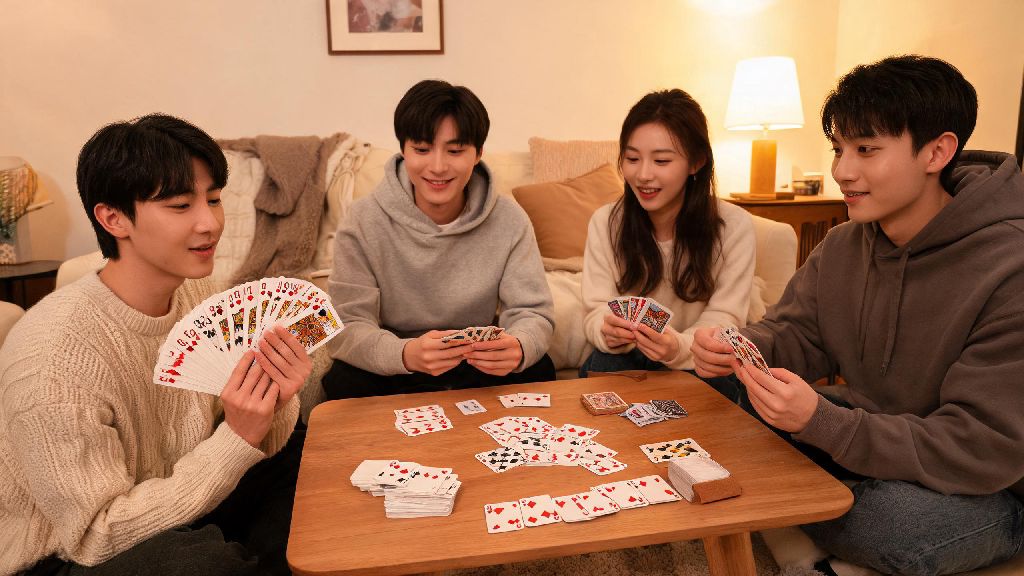
You’re sitting down for a casual rummy game with friends, someone hands you the deck, and the first question everyone asks is how many cards in rummy hand you’re supposed to get. I’ve been there more times than I can count, honestly. I once accidentally dealt 12 cards instead of 10 at a family game night, and we spent 10 minutes arguing before we realized no one had looked up the standard rules first. Rummy is one of the most widely played card games in the world, but its dozens of regional variants mean hand sizes can shift a lot depending on who you’re playing with and what rules you agree to upfront. That’s why we’re breaking down standard hand sizes, variant differences, and key tips to make sure you never deal the wrong number again.
How Many Cards in Rummy Hand for Standard 10-Card Rummy
If you’ve ever wondered how many cards in rummy hand count as standard for casual play, this 10-card variant is the answer you’re looking for. It’s the most common version played at home game nights and casual meetups, with rules that are easy for new players to pick up quickly. For 2 players, each person gets 10 cards at the start of the round, with the remaining deck placed face down as the stock pile and the top card flipped over to start the discard pile. For 3 to 4 players, each person gets 7 cards instead, and groups of 5 to 6 players get 6 cards per hand to make sure there are enough cards left in the stock pile for draws.
I always double-check the count before I pick up my first card, because if you have an extra card at the end of your turn, you automatically lose that round in most house rules. The count shifts for larger groups because a standard 52-card deck only has so many usable cards for melds, and you don’t want the stock pile to run out halfway through the round. If you’re playing with more than 6 people, it’s best to switch to two decks and bump the hand count back up to 7 or 10 cards per player to keep the game fun.
Hand Size Differences Across Popular Rummy Variants
Standard 10-card rummy is just the tip of the iceberg. There are dozens of regional and competitive rummy variants, each with its own set hand size that changes how the game plays. You don’t have to memorize all of these, but it’s good to know the most common ones so you don’t get caught off guard when someone suggests a different version of the game. Here are the hand sizes for the most widely played rummy variants worldwide:
I once joined a random online rummy lobby thinking it was standard 10-card, and ended up with 13 cards in my hand. I lost the first two rounds before I adjusted my strategy to account for the extra cards. So it’s always smart to ask for the variant name before the game starts so you can confirm hand size ahead of time. Some casual house rules will adjust hand sizes by 1 or 2 cards to make rounds go faster or slower, so don’t be afraid to ask clarifying questions before the first card is dealt.
Why Hand Size Matters for Your Rummy Strategy
A lot of new players don’t think hand size impacts how they play, but it changes almost every decision you make from the first draw. Your base for every round starts with knowing how many cards in rummy hand you have, so you can plan your melds accordingly. Smaller hands (6 to 7 cards) mean you should focus on building fast, small melds — 2 or 3 card sets are easier to complete quickly, and you won’t have extra dead cards weighing down your score at the end of the round. If you’re playing with 5 or 6 people and only have 6 cards, don’t hold out for a 4-card run, because the round will likely end before you draw the card you need.
Larger hands (10 to 13 cards) give you more flexibility to build bigger melds, and you can afford to hold onto 1 or 2 dead cards for a few turns if they might complete a high-point run later. But you also have to be more careful to track which cards have been discarded, because it’s easier to get stuck with 3 or 4 high-value dead cards if you’re not paying attention. If you’re dealt a larger hand, sort your cards by suit first before you start planning your melds — it’s the easiest way to spot potential runs you might have missed otherwise.
Common Mistakes to Avoid With Rummy Hand Counts
Even experienced players make mistakes with hand counts from time to time, but a few simple habits can help you avoid the most frustrating errors. The first mistake is counting your cards only once at the start of the round. You should count your hand after every turn, because it’s easy to accidentally pick up an extra card when you draw from the discard pile, or drop one without noticing. Most official rummy tournaments will penalize you for having the wrong number of cards, even if it was an accident, so this small habit can save you from losing a tournament round you otherwise would have won.
Second mistake: Assuming the same hand count applies across all lobbies if you play online. Different online platforms use different default rules, so always check the game info page before you join a paid tournament. I learned this the hard way when I joined a paid Indian Rummy lobby and expected 10 cards, only to get 13 and lose my entry fee in the first round. Third mistake: Forgetting to adjust hand count when a new player joins mid-game. If someone sits down halfway through a casual game night, you’ll need to reduce everyone’s hand size by 1 or 2 cards, or switch to a second deck to make sure you have enough cards for everyone. Never make a new player sit out just because you don’t want to adjust the hand count — it’s a small change that makes the game more fun for everyone.
At the end of the day, the answer to how many cards in rummy hand you need depends almost entirely on the variant you’re playing and how many people are at the table. You don’t have to memorize every variant’s rules, but taking 10 seconds to confirm the count before you start playing will save you a lot of frustration later. Whether you’re playing casual games with family or competing in a paid online tournament, getting your hand count right is the first step to winning more rummy rounds. Next time you sit down to play, take a quick count of your cards first — you’ll be glad you did.