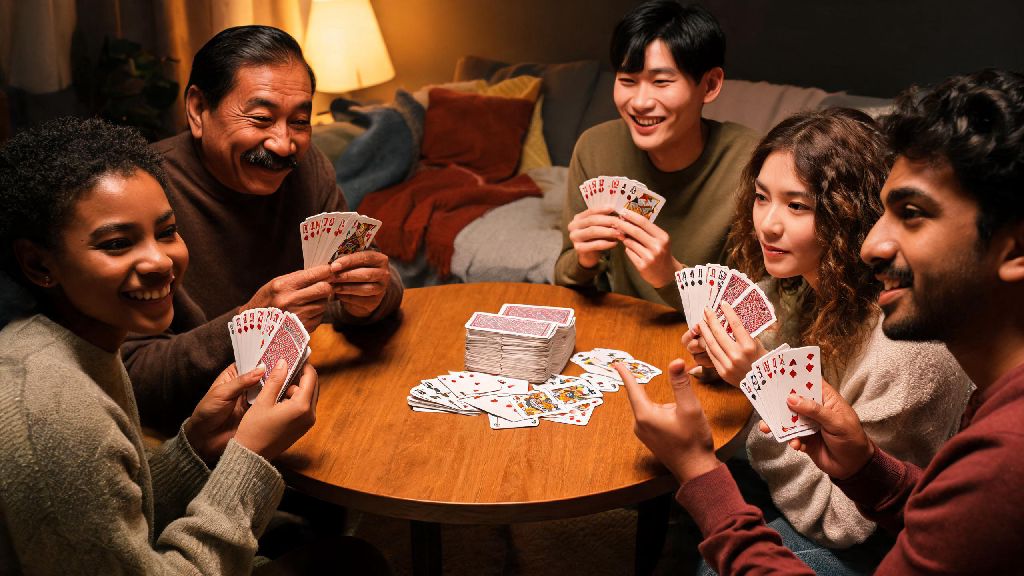
If you’ve ever grabbed a deck of cards at a family gathering and suggested rummy, only to get hit with a dozen quick questions before you can even shuffle, you’re not alone. The most common question new players ask, by far, is how many cards do you need to play rummy. The answer isn’t one-size-fits-all, because it changes based on the variant you’re playing, how many people are joining, and whether you’re playing casually or for a tournament prize. I’ve been playing rummy at weekly game nights for 7 years, and I still double-check card counts sometimes when we test a new variant, so don’t feel silly for asking.
How Many Cards Do You Need to Play Rummy for the Most Popular Casual Variants
Most of the rummy games you’ll play with friends or family follow standard card counts that have been used for decades, and they’re easy to remember once you learn the logic behind each number. The count is always chosen to balance play speed, strategy, and how many people are joining the game. You don’t have to memorize every variant’s rules, but knowing the most common ones will save you a lot of time when you’re setting up a game.
Gin Rummy (2 players only): 10 cards per player, 1 standard 52-card deck, no jokers. This count is perfect for 1v1 play because it gives you enough cards to build sets and runs, but not so many that rounds drag on for 30 minutes or more. I usually play this for date night games with my partner, because we can fit two full rounds before we start watching a show, and it’s low-stakes enough that we don’t get too competitive over it.
Indian Rummy (2-6 players): 13 cards per player, 2 decks + 2 jokers for groups of 3 or more. The 13-card count exists because Indian Rummy requires players to build two sequences, one of which is pure (no wild cards), so you need enough cards to form those without getting stuck too early. If you’re playing with just one other person, you can get away with a single deck, but any more than that and you’ll run out of draw cards far too fast.
Rummy 500 (2-4 players): 7 cards per player, 1 standard deck, jokers optional. This is my go-to for casual group game nights, because rounds take 10-15 minutes each, and scoring is easy to track even if people are drinking or chatting while they play. The 7-card count keeps the game moving, and even new players can wrap their heads around building melds without getting overwhelmed by a huge hand of cards.
Factors That Change Rummy Card Counts Mid-Game
Even if you know the standard count for your chosen variant, there are a few common adjustments you might need to make based on your specific play situation. Most of these adjustments are made to keep the game fair and fun for everyone, and they’re completely acceptable as long as you tell all players before you start dealing.
For example, if you’re playing with a group of people who only have 20 minutes to spare before dinner, you can cut the per-player card count by 2-3 to make rounds go faster. Or if you’re playing with kids, you can reduce the count even more to make the game easier for them to follow. I’ve done this for my 8-year-old cousin, and we played a modified 5-card rummy game that she was able to win once she got the hang of building sets.
The most common factors that change card counts include:
Never deal more than 13 cards per player for casual games, no matter what variant you’re playing. Any more than that makes it hard to hold and organize your hand, especially for people who don’t play card games often, and rounds will drag on so long that people will lose interest halfway through.
Common Rummy Card Count Mistakes to Avoid
I’ve made almost every rummy card count mistake there is over the years, so I can tell you exactly what to skip to avoid arguments or ruined games. The biggest mistake I see new hosts make is not planning for the draw pile before they start dealing. Last year, I hosted a game night with 5 people, tried to deal 13 cards each for Indian Rummy with only one deck, and we ran out of draw cards 2 turns in. We had to reshuffle the discard pile, which threw off everyone’s strategy, and half the group wanted to switch to a different game after that.
Always set aside 10-15 cards for the draw pile before you start dealing to players. This gives everyone enough turns to draw new cards and build their melds without the round ending prematurely. If you don’t have enough cards left after dealing to set aside that many, you either need to reduce the per-player count or grab a second deck.
Another common mistake is mixing up card counts between variants. If you switch from Gin Rummy to Rummy 500 mid-game night, don’t accidentally deal 10 cards instead of 7. That makes the game far too easy for players who get lucky with wild cards, and it throws off the balance of the whole round. I always say the variant and card count out loud before I start dealing, just to make sure everyone is on the same page.
Finally, don’t force a 13-card count on new players. If someone is playing rummy for the first time, start with 7 cards so they can learn the rules without being overwhelmed by a huge hand. You can always increase the count once they get the hang of building sets and runs, but starting too hard will make them not want to play again.
How to Adjust Card Counts for Custom or Home Rummy Rules
You don’t have to stick to official card counts if you and your group want to create your own home variant of rummy. Most of the best rummy variants I play now are ones my friends made up over years of game nights, and we adjust the card counts all the time based on how many people are there and what kind of mood we’re in.
For example, we have a party rummy variant we play for big gatherings, where we deal 5 cards per player, use 2 jokers, and the first person to get rid of all their cards wins the round. Rounds only last 5 minutes max, which is perfect for when people are coming and going, grabbing snacks, or chatting between turns. We tried it with 7 cards once, but rounds took too long, and people kept walking away mid-game, so 5 is our sweet spot for that format.
If you want a more strategic, slow-paced game for experienced players, you can add 2 extra cards per player, as long as you have enough cards left for the draw pile. I’ve done this for 2-player games with my rummy-loving uncle, and we played 12-card Gin Rummy rounds that took 25 minutes each, with way more opportunities to bluff and adjust our strategy. It’s way more competitive, but it’s only fun if everyone playing already knows the rules well.
The only rule you should never break is making sure every player gets the exact same number of cards. Even if you’re playing a custom variant, unequal hand counts make the game unfair, and no one will have fun if they start at a disadvantage before the first turn even starts. As long as everyone agrees to the count before you deal, you can adjust it however you want.
At the end of the day, the exact number of cards you use depends entirely on who you’re playing with and what kind of game you want to have. But if you’re ever stuck and don’t have time to look up variant-specific rules, 7 cards per player with a single standard deck is a safe, fun place to start for casual play. Now that you know how many cards do you need to play rummy for all the most common formats, you can be the go-to game night host who never fumbles through rule checks mid-shuffle.