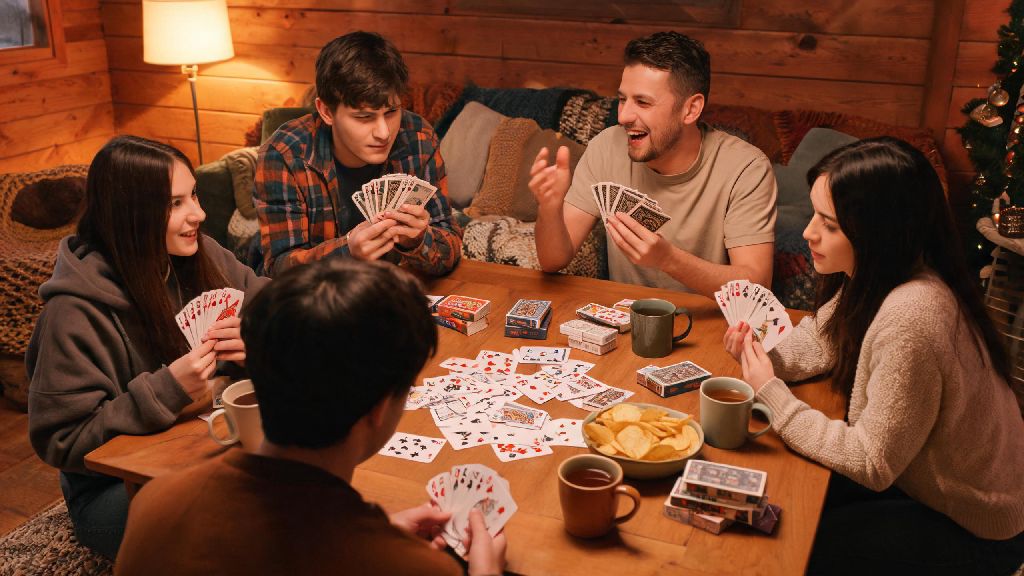
If you’ve grown bored of standard gin rummy rounds and want to try a more dynamic, social rummy variant that works for 2 to 6 players, you’re in the right place. I first stumbled on this game at a family cabin weekend a few years back, and it quickly replaced our usual game night picks because it balances luck and strategy far better than most casual card games. This guide breaks down exactly how to play russian rummy card game, from initial setup to winning moves that will make you the go-to player at your next gathering. We’ll skip the overly complicated jargon and stick to rules that work for casual play, plus little hacks most new players miss their first 10 rounds.
What You Need to Set Up a Russian Rummy Game
Before you dive into gameplay, you don’t need any fancy supplies, just a few standard items you probably already have at home. Russian rummy is designed to be accessible, so you can play it at game nights, camping trips, or even slow work lunch breaks with coworkers. Let’s run through the quick setup steps to get your game started in 2 minutes or less:
That's all for setup! One common mistake new players make here is only using one deck, but you’ll run out of cards halfway through the first round if you do that, especially if 3 or more people are playing. You don’t need any special custom cards to play, standard drugstore decks work perfectly.
Core Rules for Playing Russian Rummy Card Game Rounds
Once setup is done, gameplay moves clockwise, starting with the player to the left of the dealer. Each turn follows the same basic structure, but there are a few key rules that make Russian rummy different from other rummy variants you might have played. First, on your turn, you can either draw the top card from the face-down draw pile or pick up the entire discard pile – that’s the biggest difference from standard rummy, right? Picking up the discard pile lets you grab cards you need for melds, but you have to play the top card of that pile in a meld during that same turn, so don’t grab the whole pile unless you can use that top card immediately.
Next, melds are either sets of 3 or more cards of the same rank (like three 7s, or four Kings) or runs of 3 or more consecutive cards of the same suit (like 5,6,7 of hearts, or Jack, Queen, King of spades). Jokers act as wild cards, so you can use them to replace any missing card in a meld, and you can only play melds once you’ve hit the minimum point requirement for your first meld – that minimum is 50 points, which we’ll break down in the scoring section next.
Once you’ve played your first meld, you can add cards to your own existing melds or even other players’ melds for the rest of the round. For example, if someone already has a set of three 8s on the table, you can add a fourth 8 from your hand to their meld to get rid of that card. At the end of each turn, you have to discard one card from your hand to the discard pile. The round ends when a player gets rid of all the cards in their hand, which is called going out.
If you want to practice these rules without wasting physical cards, you can play rummy online against other casual players first to get the hang of turn structure before you play with friends. Most online rummy platforms have free practice modes that let you mess up without losing any money or bragging rights, which is perfect for new players still learning the difference between sets and runs.
How Scoring Works in Russian Rummy
Scoring happens at the end of each round, and the goal of the entire game is to have the lowest total score once someone hits 1000 total points. That’s another difference from many rummy variants, because remaining cards in your hand count against you when someone goes out, not for you. Let’s break down the point values for each card first, so you can understand the minimum 50 point first meld rule clearly.
Number cards 2 through 10 are worth their face value, Jacks, Queens, and Kings are worth 10 points each, Aces are worth 15 points, and jokers are worth 20 points each. When you go out, you get 0 points for that round, and every other player adds up the total value of the cards left in their hand to add to their total score.
If you’re the first player to play a meld in a round, your meld has to add up to at least 50 points. For example, a run of Ace, King, Queen of diamonds is 15 + 10 +10 = 35 points, which is not enough, so you’d need to add another meld, like a set of three 7s (21 points) to hit 56 total, which meets the minimum. One little hack here: if you have a joker in your first meld, count its 20 points toward your minimum, that makes hitting the 50 point mark way easier for new players.
One common scoring mistake I see all the time is players counting Aces as 1 point, like in other rummy variants. Don’t do that! Aces are high in Russian rummy, so they’re always worth 15 points, even if you use them in a run at the low end (like Ace, 2, 3 of clubs) – that still counts as 15 points for the Ace, so be careful about holding onto Aces for too long, because they’ll add a lot to your score if someone goes out before you get rid of them.
Beginner-Friendly Strategies to Win More Rounds
Russian rummy has a big luck element, but there are a few simple strategies you can use to cut down your losses and win more often, even if you’re playing against people who have been playing for years. First, don’t hold onto high-value cards for too long – Aces, Kings, and jokers are worth a lot of points if you get stuck with them, so if you don’t have a clear plan to use them in a meld in the next two turns, discard them early.
Second, pay attention to what other players are picking up from the discard pile. If someone keeps picking up heart cards, you know they’re working on a heart run, so don’t discard any heart cards you have unless you’re sure they can’t use them to go out. You don’t have to track every single card, just a quick mental note of what suits or ranks each player is going for will help you avoid giving them the card they need to win.
Third, don’t be afraid to pick up the entire discard pile if the top card is exactly what you need. A lot of new players avoid this because they think they’ll get stuck with a bunch of random cards, but you can usually add most of those extra cards to existing melds (yours or other players’) to get rid of them quickly. Just make sure you can actually use that top card first, so you don’t waste your turn picking up a pile you can’t do anything with.
Finally, don’t rush to play your first meld if you don’t have to. If you have a lot of low-value cards in your hand, you can wait a few turns to build up better melds, instead of playing a 50 point meld early and then getting stuck with a bunch of high-value cards you can’t get rid of. That said, if someone else is close to going out, you should play your meld as soon as possible to reduce the number of points you’ll have to add to your total if they win the round.
Russian rummy is one of the most fun, social rummy variants you can play with friends and family, and it only takes one or two rounds to get the hang of the basic rules. You don’t have to be a professional card player to win, just follow the setup, rule, scoring, and strategy tips we covered here, and you’ll be holding your own in no time. Next time you’re looking for a new game night pick, try out how to play russian rummy card game – you’ll probably end up adding it to your regular rotation, just like my family did a few years back.